There’s a promise that gets made a lot in enterprise software sales. It goes something like this: implementation will take some time, change management will be required, and ROI will come — just give it 18 months.
Mid-market companies have heard this pitch. A lot of them have lived it. And a growing number of them aren’t willing to hear it again.
That’s not impatience. That’s experience.
Is an 18-month ROI timeline a red flag?
When a vendor can’t tell you what value looks like in the first 90 days, that’s worth paying attention to. It usually means one of a few things: the implementation is genuinely complex and they know it, the product requires significant configuration before it does anything useful, or the ROI story depends on assumptions that are hard to validate until you’re already deep into the contract.
None of those are great.
For mid-market companies, the stakes of a slow start are higher than they are for enterprise. There’s less organizational buffer. There’s less IT capacity to absorb a multi-phase rollout. There’s less tolerance for a tool that requires 18 months of investment before it starts paying back.
And frankly — there shouldn’t have to be. The technology has caught up. The expectation that planning software requires a long runway to deliver value is a legacy assumption, not an industry reality.
What does fast time-to-value actually look like?
It’s worth being honest about what 90-day ROI means — and what it doesn’t. Inventory position doesn’t correct overnight. If you’re importing product, it can take two to three months for your inventory to begin reflecting the better decisions you’re making today. Lead times are real, and any vendor who glosses over that isn’t being straight with you.
What 90 days does mean is that the path to value is clear from day one — and the first signs of it show up early enough to matter.
That starts with implementation measured in weeks, not quarters. A modern supply chain planning solution should connect to your existing systems without a custom integration project. It should have sensible defaults that get your team up and running without months of configuration. It should be built for the way mid-market planners actually work — not retrofitted from an enterprise product that requires a dedicated admin to operate.
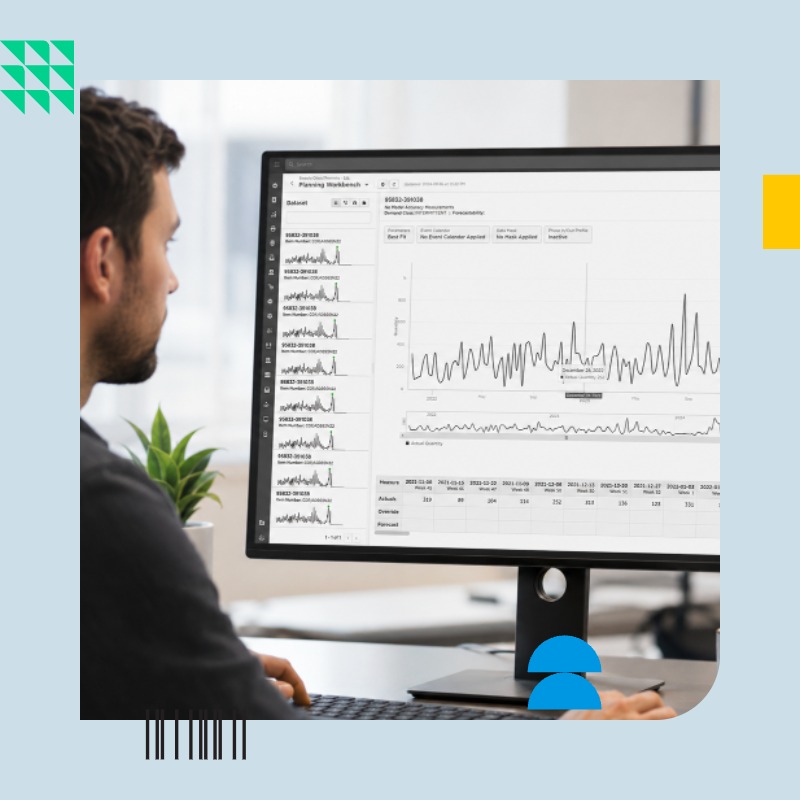
From there, early value shows up in the right places. Your team stops spending Monday morning rebuilding a spreadsheet and starts the week with a live forecast. Replenishment decisions that used to take hours of manual analysis get surfaced automatically. Exceptions get flagged before they become problems. The decisions being made in week one are better than the ones being made today — and 90 days later, your inventory position starts reflecting that.
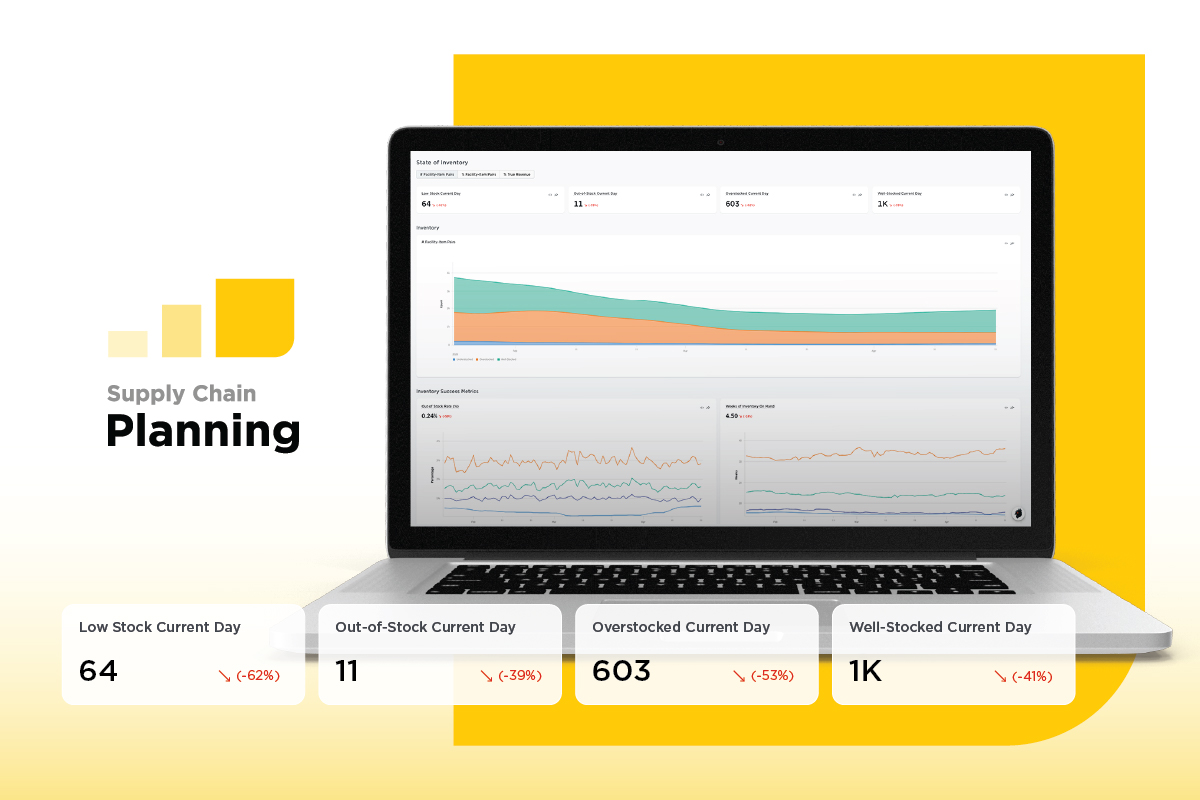
Deposco’s supply chain planning solution is built to move at the speed of mid-market businesses — connected to your existing ERP, configured without a lengthy professional services engagement, and returning value in weeks, not quarters.
Where does planning ROI actually show up?
One of the reasons the ROI conversation gets murky in planning software evaluations is that value shows up in multiple places — and not all of it is easy to put a number on upfront.
The quantifiable outcomes are real and meaningful — reduced carrying costs, lower expedite fees, improved fill rates, tighter inventory turns. These show up in the financials, and any credible planning vendor should help you model them before you sign.
But there’s also the operational ROI that doesn’t show up in a spreadsheet. Planners doing analysis instead of data maintenance. Supply chain directors with visibility they can actually act on. Leadership teams making growth decisions without wondering if the supply chain can support them.
For mid-market companies that have been running lean, that second category is where the biggest impact lands — and it starts showing up long before month 18.
What should you look for in a planning vendor?
Not all planning software is built for mid-market. A lot of it was designed for enterprise deployments with dedicated implementation teams, long configuration cycles, and IT resources most mid-market companies don’t have.
When evaluating vendors, look for implementation timelines sized to your business, not theirs. Look for a product that gets your planners doing meaningful work quickly — better forecasts, smarter replenishment decisions, earlier visibility into risk. And look for transparency about what value looks like at 30, 60, and 90 days — not just at year three.
Mid-market companies deserve planning software that works on their timeline, at their scale, and for their team. The difference between 90-day ROI and 18-month ROI isn’t just about speed — it’s about whether the vendor built the product for a business like yours.
Schedule a 30-minute walk-through with a Deposco supply chain expert.